
Upcoming Webinar
Safety hazards
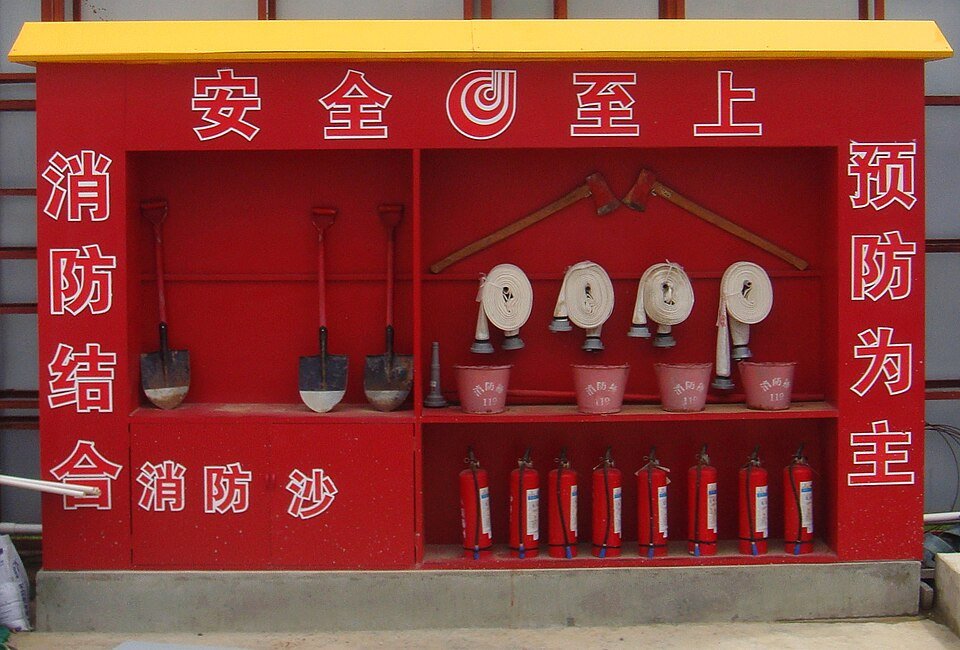
General fire safety hazards
Fires need three things to start – a source of ignition (heat), a source of fuel (something that burns) and oxygen:
- sources of ignition include heaters, lighting, naked flames, electrical equipment, smokers’ materials (cigarettes, matches etc.), and anything else that can get very hot or cause sparks;
- sources of fuel include wood, paper, plastic, rubber or foam, loose packaging materials, waste rubbish and furniture;
- sources of oxygen include the air around us.
What should employers do?
Employers (and/or building owners or occupiers) should carry out a fire safety risk assessment and keep it up to date. This shares the same approach as safety and health risk assessments and can be carried out either as part of an overall risk assessment or as a separate exercise.
Based on the findings of the assessment, employers need to ensure that adequate and appropriate fire safety measures are in place to minimize the risk of injury or loss of life in the event of a fire.
To help prevent fire in the workplace, their risk assessment should identify what could cause a fire to start, i.e. sources of ignition (heat or sparks) and substances that burn, and the people who may be at risk.
Once they have identified the risks, they can take appropriate action to control them. They should consider whether they can avoid them altogether or, if this is not possible, how they can reduce the risks and manage them. They should also consider how they will protect people if there is a fire.
Employers should:
- Carry out a fire safety risk assessment.
- Keep sources of ignition and flammable substances apart.
- Avoid accidental fires, e.g. make sure heaters cannot be knocked over.
- Ensure good housekeeping at all times, e.g. avoid build-up of rubbish that could burn.
- Consider how to detect fires and how to warn people quickly if they start, e.g. installing smoke alarms and fire alarms or bells.
- Have the correct fire-fighting equipment for putting a fire out quickly.
- Keep fire exits and escape routes clearly marked and unobstructed at all times.
- Ensure their workers receive appropriate training on procedures they need to follow, including fire drills.
- Review and update their risk assessment regularly.
Case study
| A shopkeeper regularly threw packing waste by the back door of his shop as he quickly stocked the shelves after a delivery. His workers sometimes opened the back door to have a cigarette break outside. One week he’d left the pile of rubbish for several days and a discarded cigarette butt caused it to catch fire. By the time the fire was spotted and put out, it had caused substantial damage to his back door and his shelving units. There was a significant cost in damaged stock and repairs. How the fire could have been prevented? This fire could have been easily prevented if the shopkeeper had completed his risk assessment and taken simple steps to control the risks. |
Find out more
- Fire Safety Management Course. This self-learning course on fire safety management is accessible via the International Training Centre ILO e-campus website
- Fire risk management This booklet is designed to provide employers, managers, workers and governmental organizations with key information on the very severe risks that fires pose in the workplace, as well as on their prevention and control.
- HSE’s website has guidance on fire safety in the construction industry.
Dangerous substances that cause fire and explosion
Work which involves the storage, use or creation of chemicals, vapours, dusts etc. that can readily burn or explode is hazardous. Each year people are injured at work by flammable substances accidentally catching fire or exploding.
What are the hazards?
In addition to explosives which are not covered in this section many other substances found in the workplace can cause fires or explosions. These range from the obvious, such as flammable chemicals, petrol, cellulose paint thinners and welding gases, to the less obvious – engine oil, grease, packaging materials, dusts from wood, flour and sugar.
It is important to be aware of the risks and to control or get rid of them to prevent accidents.
What should employers do?
To help prevent accidental fires or explosions, employers first need to identify:
- what substances, materials, processes etc. have the potential to cause such an event, i.e. substances that burn or can explode and what might set them alight;
- the people who may be at risk/harmed.
Once they have identified the risks, they must consider what measures are needed to reduce or remove the risk of people being harmed. This will include measures to prevent these incidents happening in the first place, as well as precautions that will protect people from harm if there is a fire or explosion.
Key points to remember
- Think about the risks of fire and explosions from the substances used or created in the business and consider how they might remove or reduce the risks.
- Use supplier safety data sheets as a source of information about which substances might be flammable.
- Consider reducing the amount of flammable/explosive substances stored on site.
- Keep sources of ignition (e.g. naked flames, sparks) and substances that burn (e.g. vapour, dusts) apart.
- Dispose of flammable/explosive substances safely.
- Review the risk assessment regularly.
- Maintain good housekeeping, e.g. avoid build-up of rubbish, dust or grease that could start a fire or make one worse.
Employers need to consider the presence of dangerous substances that can result in fires or explosions as part of their fire safety risk assessment.
Case study
| A worker was using highly flammable cellulose thinners in an open-topped container to wash paint-spraying equipment. He knocked the container over, splashing the thinners over his trouser leg and shoe. He went into a nearby room to clean himself up, but the room happened to contain drying ovens. These ignited the flammable vapours coming from the thinners, which set his trouser leg and shoe on fire, causing serious burns to his leg and foot. How this incident could have been avoided It could have been easily prevented if the employer had carried out a risk assessment to identify that cellulose thinners should not have been used in this way, and instructed the worker accordingly. |