
All Upcoming Webinars
Defining Fire Protection
Discover how the pillars of Detection, Control and Containment work cohesively to protect the lives and properties in our communities.
What is Fire Protection and How Does it Work?
Fire protection is built on three pillars: Detection, Control, and Containment. Here is how they work together to protect lives and property in any building.
Fire protection is the combination of methods, systems, and strategies used to detect, control, and contain fires in buildings. The NFPA defines fire protection as “methods of providing for fire control or fire extinguishment”, but in practice, fire protection goes well beyond a single sprinkler system or smoke detector.
So, how does fire protection work? Effective fire protection relies on three interconnected pillars:
Detection
Control
Containment
Each pillar serves a distinct role, but all three must work together to protect lives and property. Below, we break down what each pillar does, why it matters, and how passive fire protection often serves as the critical last line of defence when active systems fail.
Detect and Alert: The Pillar of Detection
Most people are familiar with smoke detectors in homes and commercial buildings. But Detection covers far more than a single device on the ceiling. Since smoke detectors were introduced in the 1960s, home fire deaths have dropped by nearly 50%, making early detection one of the most effective tools in fire safety.
Detection is the first pillar in any fire protection system because it alerts occupants at the
earliest stages of a fire. Whether through a smoke detector, heat sensor, or integrated fire alarm system, these technologies allow for a lengthened evacuation period, giving occupants a head start on exiting the building safely. Detection systems also alert local first responders about an active fire, enabling a faster response to the outbreak.
Key Functions
Swift evacuation: Early warnings trigger prompt evacuation, significantly reducing the risk of injury or death.
Reduced property damage: Detecting fires early helps prevent them from spreading, limiting the extent of property damage.
Continuous monitoring: Fire and smoke detectors provide 24/7 surveillance, which is particularly important in spaces that are unoccupied outside of working hours.
Taming the Flames: The Pillar of Control
Detection alerts people to a fire, but Control is what actively suppresses it. The most widely recognised forms of fire control are fire sprinkler systems and fire extinguishers. These are key components in controlling a fire regardless of its cause, whether it is a small cooking fire, a large electrical-based fire, or an open flame.
Sprinkler systems and extinguishers are activated by heat, smoke, or flame, allowing them to engage during the early stages of a fire outbreak. This early intervention is what makes the Control pillar so effective at limiting damage and protecting occupants.
Key Benefits
Faster reaction time: Automatic sprinkler systems can begin suppressing a fire within seconds, buying critical time for evacuation.
Effective at any scale: Whether dealing with a small localised fire or a larger outbreak, these systems are designed to diminish the fire in a timely manner.
Reduced smoke inhalation: By controlling the fire early, these systems minimise the production of smoke and toxic gases, which are often more dangerous than the flames themselves.
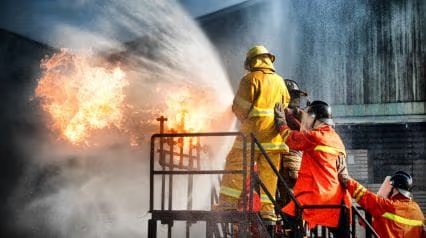
Fire Safety Rules Every Office Should Follow
Fire safety in the workplace is not just a regulatory requirement—it’s a fundamental responsibility of every business. Whether you manage a small office or a multi-floor commercial building, implementing proper fire safety rules can mean the difference between life and death in the event of an emergency. This guide covers the essential fire safety rules every office should follow, along with best practices, compliance needs, and real-world tips to protect your people, property, and productivity.
Why Fire Safety in Offices Is Critical
Fires can start from the smallest oversight: an overloaded power socket, unattended electrical appliances, or poor maintenance of HVAC systems. Office spaces are filled with combustible materials—paper, furniture, plastic, electronics—and these can quickly fuel a fire if preventive measures aren’t in place.
According to the National Building Code and guidelines from fire safety authorities, office fire hazards are among the top causes of workplace emergencies. Therefore, every office should have a fire prevention plan and a set of actionable fire safety procedures.
Essential Fire Safety Rules for Office Spaces
Below are some of the most important fire safety rules for offices that all businesses should implement:
1. Install Fire Detection and Alarm Systems
Every office must have an active fire alarm system that includes smoke detectors, heat sensors, and audible alarms. Early detection is key to preventing disaster. Ensure that:
Smoke detectors are installed in all work areas, meeting rooms, and common spaces.
Fire alarms are tested monthly.
Systems are maintained by certified technicians at least once every six months.
Also read: How to Secure Your Building’s Smart Fire and Security Systems from Cyber Threats
2. Keep Fire Extinguishers in Accessible Locations
Having portable fire extinguishers in key office areas can prevent a small flame from becoming a major fire. Follow these practices:
Place fire extinguishers near electrical panels, server rooms, kitchens, and exits.
Clearly label all fire equipment.
Train employees on how to use fire extinguishers using the PASS method (Pull, Aim, Squeeze, Sweep).
3. Create a Fire Evacuation Plan
A written and visual fire evacuation plan must be developed and shared with all employees. It should include:
Clearly marked emergency exits and escape routes.
Designated assembly areas.
Floor-wise evacuation maps posted on walls.
Procedures for helping people with disabilities.
Conduct fire drills at least twice a year to ensure that everyone knows how to evacuate safely.
4. Train Staff in Fire Safety Procedures
Training employees in office fire safety rules ensures a quicker, more organized response during emergencies. Topics to cover in training include:
Identifying fire hazards.
Using fire extinguishers.
Responding to fire alarms.
Communicating during emergencies.
Consider holding a fire safety seminar or partnering with a fire safety training company.
5. Maintain Electrical Safety Standards
Most office fires start due to electrical faults. Prevent this by:
Avoiding overloaded power sockets.
Not using damaged or frayed wires.
Keeping electrical equipment serviced regularly.
Ensuring that computers, printers, and other devices are switched off when not in use.
Also read: Why High-Rise Buildings Need Advanced Security Systems
6. Keep Fire Exits Clear at All Times
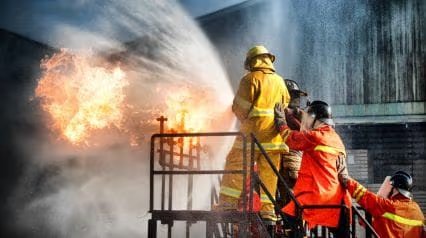
Fire Safety Understanding
What is Fire Safety?
Fire safety refers to the set of precautions, procedures, and measures taken to prevent fires, minimize the risk of fire-related accidents, and ensure the safety of individuals and property in the event of a fire. It involves a combination of awareness, preparedness, and proper safety practices to prevent fires from occurring and mitigate their impact if they do happen.
Importance
According to the US National Safety Council (NSC), the leading causes of home fires and injuries are cooking and heating. Thus, fire safety at home should be prioritized by practicing safety tips and protocols when using electrical appliances, cooking equipment, and others that may be fire hazards.
In addition, 2021 data from the US Fire Administration states that 116,500 non-residential building fires led to 1,025 injuries and 115 deaths. This is just one reason to implement fire safety in the workplace and mitigate the negative business impacts of fire-related incidents.
Moreover, fire safety is of paramount importance for the following reasons:
Preserving life – Implementing measures helps protect individuals from harm and ensures their well-being.
Protecting property – By following fire safety protocols, there’s minimal risk of property loss and destruction, potentially saving valuable assets and investments.
Preventing financial losses – Adequate measures reduce the risk of fire-related damages, avoiding financial burdens associated with property damage, repairs, and insurance claims.
Safeguarding the environment – Since fires can release toxic gases and pollutants and destroy natural habitats, fire safety practices can prevent such incidents and minimize harm to the environment.
Ensuring business continuity – By safeguarding the workplace against fires, businesses can protect their employees, maintain productivity, and avoid costly downtime.
Complying with regulations – Many jurisdictions have specific codes and regulations that must be followed. Adhering to these ensures legal compliance and helps avoid penalties or legal consequences.
Promoting public safety – By prioritizing fire safety, communities can create a safer environment for everyone, reducing the overall risk of fire-related accidents and emergencies.
Standards and Regulations
Property owners, managers, and occupants must be familiar with the applicable standards and regulations in their jurisdiction. Compliance helps create a safer environment, reduces the risk of fires, and ensures the protection of lives and property.
Here are some examples of fire safety agencies and codes in different countries:
United States
Occupational Safety and Health Administration (OSHA)
National Fire Protection Association (NFPA)
United Kingdom
England and Wales – Regulatory Reform (Fire Safety) Order 2005 (FSO)
Health and Safety Executive (HSE)
Australia
New South Wales (NSW) Department of Planning
Safe Work Australia
What are the Different Stages of a Fire?
To effectively carry out safety steps and protocols, you must be familiar with the four main phases of fire and what you can do during each stage. Here’s an overview:
Incipient stage – The fire is small and localized at this stage, often limited to the materials or area of origin, and smoke production is usually minimal. If detected and addressed promptly, fires in the incipient stage can be easily extinguished. This is why a smoke alarm maintenance checklist is important: to make sure early warnings aren’t missed.
Growth stage – The flames become larger, and the fire starts to intensify as it consumes more fuel and generates more heat. Hence, it’s essential to take immediate action to control its spread and prevent it from reaching the fully developed stage.
Fully developed stage – At this most dangerous and destructive phase of a fire, structural elements may be compromised, and there is a high risk of flashover (a sudden ignition of combustible gases and materials in the environment). Given the rapid spread of fire and presence of wildfire smoke, firefighting efforts should prioritize evacuation during this stage.
Decay stage – The flames start to weaken, and the heat output and smoke production decrease. However, pockets of heat and hidden fire may still exist, making it important to fully extinguish the fire and ensure it does not reignite.
Fire Hazards to Look Out For
Apart from being aware of the various stages of a fire, it’s also crucial to know the fire hazards to look out for. This can help organizations and individuals take proactive measures and create an effective fire safety system.
The following are some common examples of fire hazards in residential, workplace, or public settings:
Electrical hazards – faulty wiring, overloaded circuits, damaged electrical cords, and malfunctioning electrical equipment
Cooking-related hazards – grease buildup, unattended cooking, and misuse of cooking appliances
Heating sources – improper use of heating devices such as portable heaters, fireplaces, and wood-burning stoves
Flammable liquids and chemicals – gasoline, paint thinners, and solvents
Smoking – careless disposal of cigarette butts and smoking materials
Open flames – unattended candles, incense, and open flames
Flammable materials – pap
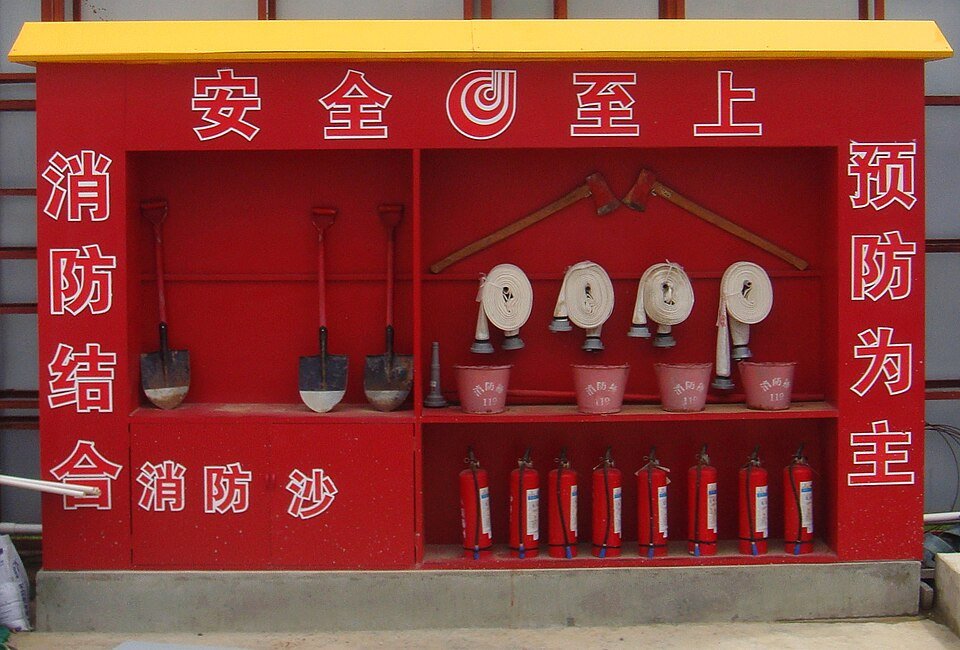
Safety hazards
General fire safety hazards
Fires need three things to start – a source of ignition (heat), a source of fuel (something that burns) and oxygen:
sources of ignition include heaters, lighting, naked flames, electrical equipment, smokers’ materials (cigarettes, matches etc.), and anything else that can get very hot or cause sparks;
sources of fuel include wood, paper, plastic, rubber or foam, loose packaging materials, waste rubbish and furniture;
sources of oxygen include the air around us.
What should employers do?
Employers (and/or building owners or occupiers) should carry out a fire safety risk assessment and keep it up to date. This shares the same approach as safety and health risk assessments and can be carried out either as part of an overall risk assessment or as a separate exercise.
Based on the findings of the assessment, employers need to ensure that adequate and appropriate fire safety measures are in place to minimize the risk of injury or loss of life in the event of a fire.
To help prevent fire in the workplace, their risk assessment should identify what could cause a fire to start, i.e. sources of ignition (heat or sparks) and substances that burn, and the people who may be at risk.
Once they have identified the risks, they can take appropriate action to control them. They should consider whether they can avoid them altogether or, if this is not possible, how they can reduce the risks and manage them. They should also consider how they will protect people if there is a fire.
Employers should:
Carry out a fire safety risk assessment.
Keep sources of ignition and flammable substances apart.
Avoid accidental fires, e.g. make sure heaters cannot be knocked over.
Ensure good housekeeping at all times, e.g. avoid build-up of rubbish that could burn.
Consider how to detect fires and how to warn people quickly if they start, e.g. installing smoke alarms and fire alarms or bells.
Have the correct fire-fighting equipment for putting a fire out quickly.
Keep fire exits and escape routes clearly marked and unobstructed at all times.
Ensure their workers receive appropriate training on procedures they need to follow, including fire drills.
Review and update their risk assessment regularly.
Case study
A shopkeeper regularly threw packing waste by the back door of his shop as he quickly stocked the shelves after a delivery. His workers sometimes opened the back door to have a cigarette break outside.
One week he’d left the pile of rubbish for several days and a discarded cigarette butt caused it to catch fire. By the time the fire was spotted and put out, it had caused substantial damage to his back door and his shelving units. There was a significant cost in damaged stock and repairs.
How the fire could have been prevented?
This fire could have been easily prevented if the shopkeeper had completed his risk assessment and taken simple steps to control the risks.
Find out more
Fire Safety Management Course. This self-learning course on fire safety management is accessible via the International Training Centre ILO e-campus website
Fire risk management This booklet is designed to provide employers, managers, workers and governmental organizations with key information on the very severe risks that fires pose in the workplace, as well as on their prevention and control.
HSE’s website has guidance on fire safety in the construction industry.
Dangerous substances that cause fire and explosion
Work which involves the storage, use or creation of chemicals, vapours, dusts etc. that can readily burn or explode is hazardous. Each year people are injured at work by flammable substances accidentally catching fire or exploding.
What are the hazards?
In addition to explosives which are not covered in this section many other substances found in the workplace can cause fires or explosions. These range from the obvious, such as flammable chemicals, petrol, cellulose paint thinners and welding gases, to the less obvious – engine oil, grease, packaging materials, dusts from wood, flour and sugar.
It is important to be aware of the risks and to control or get rid of them to prevent accidents.
What should employers do?
To help prevent accidental fires or explosions, employers first need to identify:
what substances, materials, processes etc. have the potential to cause such an event, i.e. substances that burn or can explode and what might set them alight;
the people who may be at risk/harmed.
Once they have identified the risks, they must consider what measures are needed to reduce or remove the risk of people being harmed. This will include measures to prevent these incidents happening in the first place, as well as precautions that will protect people from harm if there is a fire or explosion.
Key points to remember
Think about the risks of fire and explosions from the substances used or created in the business and consider how they might remove or reduce the risks.
Use supplier safety data sheets as a source of information about which substances might be flammable.
Consider reducing the amount of flammable/explosive substances stored on site.
Keep sources of ignition (e.g. naked flames, sparks) and substances that burn (e.g. vapour, dusts) apart.
Dispose of flammable/explosive substances safely.
Review the risk assessment regularly.
Maintain good housekeeping, e.g. avoid build-up of rubbish, dust or grease that could start a fire or make one worse.
Employers need to consider the presence of dangerous substances that can result in fires or explosions as part of their fire safety risk assessment.
Case study
A worker was using highly flammable cellulose thinners in an open-topped container to wash paint-spraying equipment. He knocked the container over, splashing the thinners over his trouser leg and shoe.
He went into a nearby room to clean himself up, but the room happened to contain drying ovens. These ignited the flammable vapours coming from the thinners, which set his trouser leg and shoe on fire, causing serious burns to his leg and foot.
How this incident could have been avoided
It could have been easily prevented if the employer had carried out a risk assessment to identify that cellulose thinners should not have been used in this way, and instructed the worker accordingly.
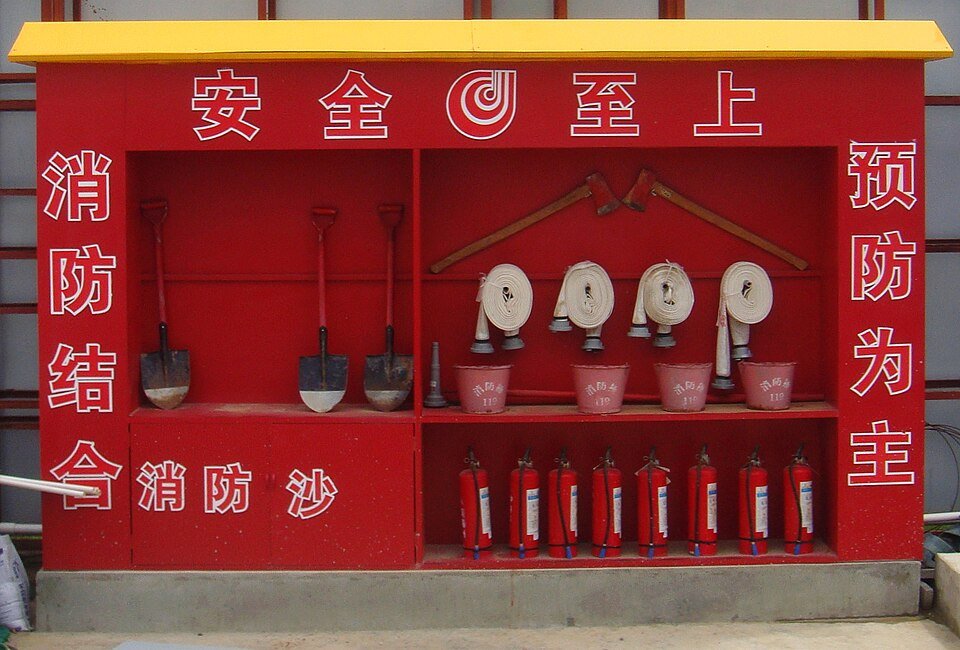
Fire safety
Fire safety is the set of practices intended to reduce destruction caused by fire. Fire safety measures include those that are intended to prevent the ignition of an uncontrolled fire and those that are used to limit the spread and impact of a fire.
Fire safety measures include those that are planned during the construction of a building or implemented in structures that are already standing and those that are taught or provided to occupants of the building.[citation needed]
Threats to fire safety are commonly referred to as fire hazards. A fire hazard may include a situation that increases the likelihood of a fire or may impede escape in the event a fire occurs.[citation needed]
Fire safety is often a component of building safety. Those who inspect buildings for violations of the fire codes, and visit schools to educate children on fire safety topics, are fire department members known as Fire Prevention Officers. The Chief Fire Prevention Officer or Chief of Fire Prevention will normally train newcomers to the Fire Prevention Division and may also conduct inspections or make presentations.[1]