
Upcoming Webinar
Fire Safety Understanding
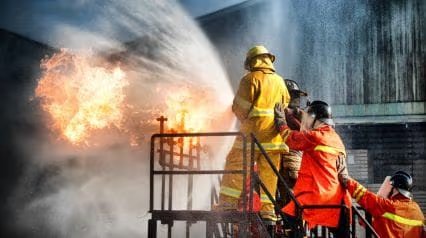
What is Fire Safety?
Fire safety refers to the set of precautions, procedures, and measures taken to prevent fires, minimize the risk of fire-related accidents, and ensure the safety of individuals and property in the event of a fire. It involves a combination of awareness, preparedness, and proper safety practices to prevent fires from occurring and mitigate their impact if they do happen.
Importance
According to the US National Safety Council (NSC), the leading causes of home fires and injuries are cooking and heating. Thus, fire safety at home should be prioritized by practicing safety tips and protocols when using electrical appliances, cooking equipment, and others that may be fire hazards.
In addition, 2021 data from the US Fire Administration states that 116,500 non-residential building fires led to 1,025 injuries and 115 deaths. This is just one reason to implement fire safety in the workplace and mitigate the negative business impacts of fire-related incidents.
Moreover, fire safety is of paramount importance for the following reasons:
-
Preserving life – Implementing measures helps protect individuals from harm and ensures their well-being.
-
Protecting property – By following fire safety protocols, there’s minimal risk of property loss and destruction, potentially saving valuable assets and investments.
-
Preventing financial losses – Adequate measures reduce the risk of fire-related damages, avoiding financial burdens associated with property damage, repairs, and insurance claims.
-
Safeguarding the environment – Since fires can release toxic gases and pollutants and destroy natural habitats, fire safety practices can prevent such incidents and minimize harm to the environment.
-
Ensuring business continuity – By safeguarding the workplace against fires, businesses can protect their employees, maintain productivity, and avoid costly downtime.
-
Complying with regulations – Many jurisdictions have specific codes and regulations that must be followed. Adhering to these ensures legal compliance and helps avoid penalties or legal consequences.
-
Promoting public safety – By prioritizing fire safety, communities can create a safer environment for everyone, reducing the overall risk of fire-related accidents and emergencies.
Standards and Regulations
Property owners, managers, and occupants must be familiar with the applicable standards and regulations in their jurisdiction. Compliance helps create a safer environment, reduces the risk of fires, and ensures the protection of lives and property.
Here are some examples of fire safety agencies and codes in different countries:
-
United States
-
-
England and Wales – Regulatory Reform (Fire Safety) Order 2005 (FSO)
-
-
Australia
What are the Different Stages of a Fire?
To effectively carry out safety steps and protocols, you must be familiar with the four main phases of fire and what you can do during each stage. Here’s an overview:
-
Incipient stage – The fire is small and localized at this stage, often limited to the materials or area of origin, and smoke production is usually minimal. If detected and addressed promptly, fires in the incipient stage can be easily extinguished. This is why a smoke alarm maintenance checklist is important: to make sure early warnings aren’t missed.
-
Growth stage – The flames become larger, and the fire starts to intensify as it consumes more fuel and generates more heat. Hence, it’s essential to take immediate action to control its spread and prevent it from reaching the fully developed stage.
-
Fully developed stage – At this most dangerous and destructive phase of a fire, structural elements may be compromised, and there is a high risk of flashover (a sudden ignition of combustible gases and materials in the environment). Given the rapid spread of fire and presence of wildfire smoke, firefighting efforts should prioritize evacuation during this stage.
-
Decay stage – The flames start to weaken, and the heat output and smoke production decrease. However, pockets of heat and hidden fire may still exist, making it important to fully extinguish the fire and ensure it does not reignite.
Fire Hazards to Look Out For
Apart from being aware of the various stages of a fire, it’s also crucial to know the fire hazards to look out for. This can help organizations and individuals take proactive measures and create an effective fire safety system.
The following are some common examples of fire hazards in residential, workplace, or public settings:
-
Electrical hazards – faulty wiring, overloaded circuits, damaged electrical cords, and malfunctioning electrical equipment
-
Cooking-related hazards – grease buildup, unattended cooking, and misuse of cooking appliances
-
Heating sources – improper use of heating devices such as portable heaters, fireplaces, and wood-burning stoves
-
Flammable liquids and chemicals – gasoline, paint thinners, and solvents
-
Smoking – careless disposal of cigarette butts and smoking materials
-
Open flames – unattended candles, incense, and open flames
-
Flammable materials – pap